Spruce Up Your Garden for Less

Julia’s Garden by Allie’s.Dad

TheGardenLady has invited people with horticultural interests and expertise to contribute posts to this blog. The following post is about saving money on gardening and was submitted by Rachael Miller. She is is part of the vouchers team at moneysupermarket.com, which sponsored this post.

A garden can be your sanctuary- a place to relax, to host parties and even to grow your own food.  The problem is that creating your sanctuary can take up a lot of time and be expensive.  If you have green fingers, doing a spot of gardening may be your idea of heaven, but the hefty price tags for flowers, plants, garden furniture etc, can be hell for your bank balance.  Read this guide on how to get gardening products for less.

  • Use vouchers.  You might not associate vouchers with buying gardening products, however seeing as the vouchers market has grown by 50% year on year since the beginning of the recession, more and more retailers are deciding to offer discounts.  Before buying any gardening equipment, be sure to check for vouchers for the specific retailer you’ll be buying from.  You might be able to get some B&Q vouchers, or money off discounts for other big gardening retailers.  You can save a lot of money by taking advantage of the growing vouchers market, so never buy anything without one!
  • Shop online – this is another thing you might not associate with gardening, but you can grab some great bargains by shopping for anything garden related online.  You can find some excellent products such as weed killer, compost, garden furniture and ornaments- things that you don’t necessarily have to see up close before you purchase.  Plants are a different matter as you’ll more than likely want to see these before you buy. Also, see what people are selling- you may find you can get great deals on auctions sites.  Shopping online is a great way to compare products and their prices.
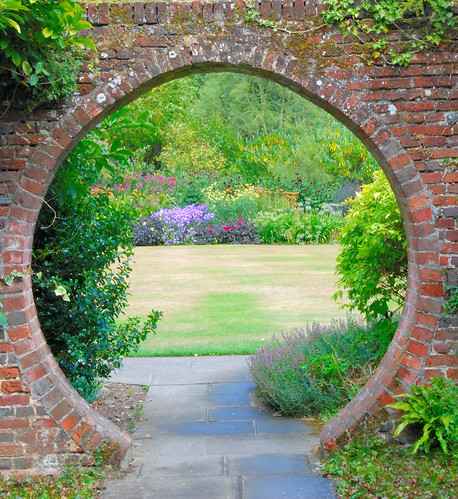
Great Comp Garden in the Round by antonychammond

Continue reading “Spruce Up Your Garden for Less”

Sunchokes

Jerusalem Artichoke by mightyjoepye

TheGardenLady received this question from Pecki.

I planted these sunchokes in the Spring and now the stalks are almost 5 feet tall. Do I remember that they eventually have a yellow flower or do I just wait and dig them up in November?

Jerusalem artichokes, Helianthus tuberosus, otherwise known as sunchokes, bloom late in the summer and into the fall. They are a native of North America related to the sunflower. They are not related to Jerusalem or an artichoke. The story about how the plant got its name starts when French explorer Samuel de Champlain got them from the North American natives and thought they tasted like artichokes. He sent the them to Europe to grow. The Italians called them girasole articiocco, meaning “sunflower artichoke”because of the taste. Americans thought girasole sounded like “Jerusalem,” so this name became one of the common names of the plant.

Jerusalem Artichokes (Helianthus tuberosus), also called the sunroot or sunchoke or earth apple or topinambur by Ian A Kirk

Jerusalem artichokes or sunchokes are very easy to grow in zones 3 through 9 in almost any loose, moderately well drained soil in sun or partial shade. They spread easily and can become invasive, so some people consider them a weed. They like regular watering but can tolerate some drought. They grow up to 8 feet tall so plant them in the back of the garden. Butterflies and songbirds enjoy the flower. And the tubers are good eating either raw or cooked, low in calories and good for people with diabetes. Use a brush to scrub off the dirt. If you cook the chokes, you can prepare them as you would any potato recipe.

Sunchokes by Laurel Fan

In the fall, at least 2 weeks after the flowers have faded you can start harvesting the tubers but it is best to wait as late as possible before the ground freezes too hard that digging is a chore. This is the best time to start digging up your tuber harvest; it is best to wait till at least after the first hard freeze or two, because–as with many root crops– the flavor of sunchokes is improved by a freeze or two, plus they do most of their growing in late autumn. Alternatively, you can just leave the tubers in the ground right through the winter, then dig them up as soon as the ground unfreezes enough in spring: some suggest that the tubers taste even better after fully overwintering.

Don’t let the flower go into seed. Cut off the flower just before that happens.  See here.

Bedbugs: How to Deal with this Problem

bed bug close up by David P James

One of the major problems that we are experiencing these days is the reemergence of bedbugs. This is a grave problem that is growing everywhere in the world.  The good news is that bed bugs are not supposed to carry any diseases. And the sort of good news is that not everyone seems to be allergic to the bites. But I don’t believe human beings enjoy living with insects and bedbugs breed so rapidly that one can have an infestation quite rapidly (see here). The US government has numerous papers on bed bugs.  (See here)

More and more articles are appearing about places infected by bedbugs – this includes libraries, movie theaters, etc. So if you are planning on traveling in North America, a good website to check out is this.  On this registry, you can also report locations you know about that are infested.

An entomologist who seems to be very knowledgeable about bed bugs and owns a pest control business is Richard Cooper of Cooper Pest
Solutions
and extermination service. He has a bed bug website where he sells bed bug products and has some of the most up to date information about how to protect yourself from this scourge.  See here.

There are some products you can use to help eliminate some of the bed bug problems.  According to Penn State facts,

Three classes of insecticides are reviewed: (1) Botanical insecticides containing natural pyrethrins will repel insects and can “knock down” bed bugs for a period of time, but natural pyrethrins quickly deteriorate and do not provide the necessary residual action of some other materials. Finishes on furniture and other wood items may be damaged from the petroleum carriers contained in aerosol pyrethrins. (2) Inorganic materials such as silica gel, boric acid, and diatomaceous earth will provide long-term control, provided they are used in an environment with low humidity. These inorganic materials have very low repellency, a long residual life, and can provide good control if thoroughly applied to cracks and crevices. However, they are typically white in color and may leave the surface of items with an undesirable film unless they are carefully applied. (3) Synthetic pyrethroids such as deltamethrin, lambda-cyhalothrin and others can provide good control if they are carefully and thoroughly applied to suspected bed bug areas.

If you have an infestation of bed bugs in your home, it is best to contact a reputable exterminating company. Call your local Master Gardener office or  your agricultural extension to ask if they have new information on dealing with bedbug problems or have a list of reputable exterminating companies.

Bardini Gardens in Florence (Photos)

TheGardenLady loves Italy, the art, the cities and countryside and the gardens. I have visited many Italian gardens but the Bardini gardens in Florence (see here) is not a garden that I had ever known about until recently. I have visited Florence a number of times over the years and wondered how I could possibly have missed this garden. The reason is that the Bardini gardens had been restored and just recently reopened. Perhaps this garden is an excuse for me to re-visit Florence 🙂

The following photos are from the Bardini gardens, including the cafe within. Many are views of the Cathedral.

The Boboli Gardens (Photos)

TheGardenLady loves to travel to visit gardens around the world.  One of the gardens TheGardenLady visited many years ago was the Boboli Gardens in Florence, Italy.  Unfortunately, TheGardenLady had not taken any photos. When my daughter had the opportunity to visit Tuscany this summer, I begged her to take photos of gardens if she had the opportunity.

Below are some of her pictures of the Boboli Gardens, including the garden outside the Museo Porcellane, the grottoes at the Medici Villa, the Pompeii reconstructions, and the citrus garden.

A Knotty Impatiens Problem

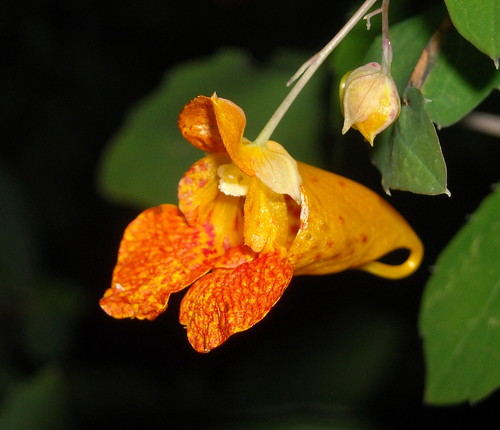
Orange Jewelweed – Impatiens Capensis by A. Walden

TheGardenLady received this question from Howard.

I have a North facing brownstone garden with partial sun here in Manhattan, New York City. Each year a good portion of the semi-shady part of the garden is planted with impatiens. They are the seedlings from the previous year so that I can enjoy them in the apartment during the cold months. When transplanted outside, the plants grow two to four feet tall and have volumes of flowers which produce large indefinite quantities of seedlings- continuing the cycle. I feed everything in the garden from my compost and that which I clean from the Koi Pond filter. At three AM the entire garden gets automatically rained upon daily for 15 minutes with sprinkler hoses wired to the top of all three fences. Recently this year (all I can describe them as) ‘Knots’ have formed on the tops of the plants. (I have a photograph to show upon your request.) It is the stunting of both leaves and buds. Lower leaves are browning. I, sadly, just cut all the plants back to about 18 inches and put the cuttings in the compost. At this time of year I usually have a mound of flowers so thick that the plants are barely seen. Now, I have a miniature forest of green sticks with few leaves. So far, I think nothing else is affected: potted house plants, ivy, basil, rosemary, lemon balm, Japanese maples, and the usual shade plant varieties. Please, tell me what the knots are if you can, how to prevent them from coming back, or what to plant next year in their place if I must. I will be most appreciative for your help as will all my neighbors who look down into my garden.

Impatiens are such bright cheery flowers that seem to have so few problems, I can understand how disappointed you must be to have unhealthy plants. This GardenLady plants impatiens around my front lawn to brighten the shady areas – this year I planted 200 impatiens plants, alternating white and red impatiens. I know how I love my impatiens as you and your neighbors appreciate your impatiens-filled back yard. So to make sure that I gave you the best, most up to date answer, I contacted the person whom I think of as the Guru of Impatiens, Derick Pitman.

Derick Pitman, known as Mr. Impatiens, lives in Sacramento, California, where he has been collecting and studying Impatiens for nearly 20 years and has been amassing scientific and horticultural information on this one plant. He was the founder of the, sadly now defunct, International Impatiens Society. He works with the Strybing Botanical Gardens in San Francisco (see here) with Impatiens species and has given many Impatiens species to Kartuz’s Greenhouses and Annie’s Annuals so people can buy these species to grow in their gardens. Derick Pitman loves to “talk Impatiens” with anyone who is interested. Derick has his own Impatiens website where you can contact him about your serious Impatiens problems.

Here is Derick’s response to your problem:

“My guess would be that the problem are mites, more likely Cyclamen mites. These mites are almost impossible to see but they like tips of new growth. I would trim off the tips and start a pest control program. You can use any solution for mites but stay away from oil based sprays; Impatiens don’t respond well to oil sprays. It could have been the heat that caused the mites to take off since they really multiply in hot climates. “


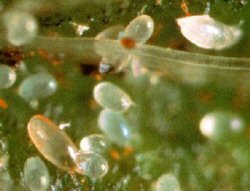
Adult cyclamen mites with eggs Image source: Manitoba Agriculture and Food

Another site with suggestions of Impatiens problems and treatment is this.

Howard, you offered to send a photograph of the ” knots.”  TheGardenLady would love to have your photo or photos to post on TheGardenLady.org. Please send the photo/s of the problem Impatiens plants so that we could all see what the knots look. We would also like you to send a follow up on your treatment and success rate.

Can You Grow Pink Lady Apple Trees In South Dakota?

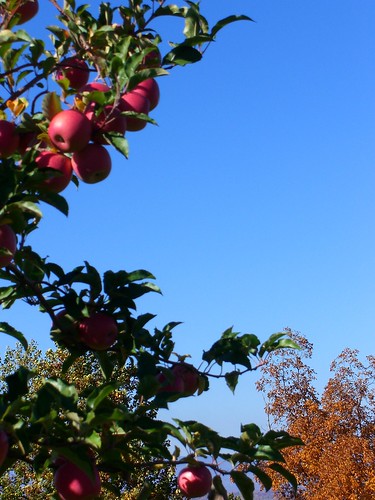
Pink Lady Apples on Treeby banderson0303

TheGardenLady received this question from Betty.

I was just wondering if you could grow pink lady apple trees in South Dakota. We love them apples and the store sells out as fast as they come in..

The Pink Lady apple that originates in Western Australia is a hot climate apple that grows in Temperature Zones 6 through 9. I don’t know if it is warm enough in South Dakota to grow Pink Lady apple trees. Please check your location for your temperature zone and if you are in zone 6 you can try; but if you are in a colder zone there are lots of apple trees you can grow. A list of apples for South Dakota can be found here or for northern states in general can be found here.  Also check out this site for temperature zones.

Those who live in areas warm enough to grow the Pink Lady apple tree can find them for sale on eBay or at some orchards like Willis Orchard or or Clifton Nursery.

Buying Plants from Nurseries When It’s This Hot


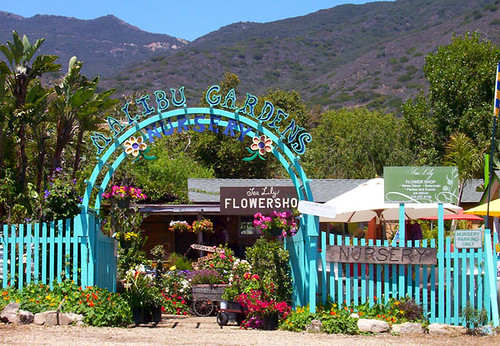
York Restoration Corporation Building Restoration Local Nursery by York Restorations

TheGardenLady feels sorry for plant nurseries in this heat and drought. Not only do they have to do frequent watering, but TheGardenLady can’t imagine many people buying right now. So the nurseries are putting their plants on sale and some prices are almost so low that it seems like the nurseries are giving away the plants or just barely covering costs. Russell Gardens Wholesale has some perennial and herb plants on sale for $1.  So you can pick up some bargains.

But buyer beware!

Another reason for these sales is that gardeners know that one should avoid planting in hot, dry weather, because this weather can easily stress plants. If you must plant in summer, plant in the cool of the morning.

And unless you have enough water to give to your plants, you will have a lowered success rate of the plants surviving. All new plants, that includes trees and shrubs, like to be watered well the first year to get their root system established. Even the drought-tolerant plants need to be watered well when first planted to establish their roots.

Proper watering becomes the most important part of plant survival because transplanting causes a certain amount of shock to a plant due to the loss of roots, transportation and handling, and a change in growing conditions. So don’t think that if you have a landscaper do the work of planting for you, that your plants will survive without your watering adequately.  See here.

And when shopping for plants at this time of year, again buyer beware. It is always advisable to shop at reputable nurseries where they know their plants, can give you advice on proper care of the plant and who know how to care for the plant in their nursery. Most places get fresh plants at the beginning of the summer, but if the plant has been in the nursery for a long time, it had to be properly cared for at the nursery before you buy it. Good nurseries know what they are doing. Some of the chains hire people who don’t know how to care for the plants. A good nursery will have watered its plants properly and shouldn’t sell you something that won’t live out the week.

When you buy the plant and bring it home, since the plant has been sitting in a small pot for the summer season, at this time of the year it is probably root bound. To get the plant out of the pot, you may have to cut some of the roots off that have grown out of the holes and you may even have to cut the pot off the plant.

Sometimes soaking the plant for an hour will help get the roots more able to absorb water. And then you will probably have to make cuts in the roots – this is called root pruning – so that they will grow outward when put the plant in the ground. This cutting will help to free the roots.  See here.

Getting Ready for the Monarch Butterflies

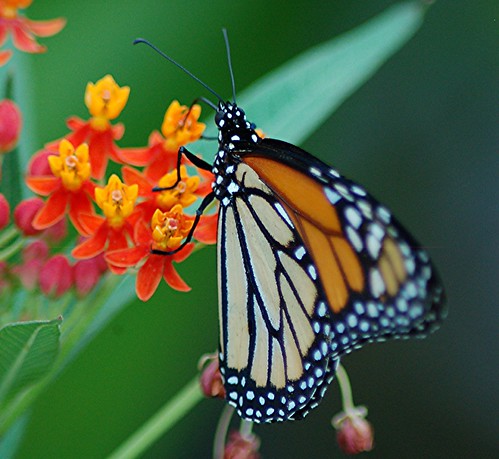
Caterpillar to Butterfly… just emerged from its cocoon, Monarch is feeding on orange and gold flowers of a regrown milkweed by jungle mama

Are you, like TheGardenLady, getting ready for the Monarch Butterflies?


Yellow Swallowtail and Black Swallowtail in TheGardenLady’s Garden

My garden has lots of butterflies including the beautiful Yellow Swallowtail and Black Swallowtail butterflies enjoying the nectar. But as lovely as these butterflies and the other butterflies are in my garden, for some reason in my mind, the siting of the Monarch seems to let me know that all is right with the world. So I eagerly look forward to the Monarchs arrival.

A great computer site for following the Fall migration route of the Monarch butterflies is this.  This site will be posting Monarch butterfly sightings every Thurs. starting on August 26th and continuing through Nov. The Monarch Butterfly Journal is a fun and fact-filled site for adults and kids that is interactive so you can both report your sightings of Monarch butterflies flying South as well as find out where others have seen Monarchs flying.

Growing Plants Under Conifers

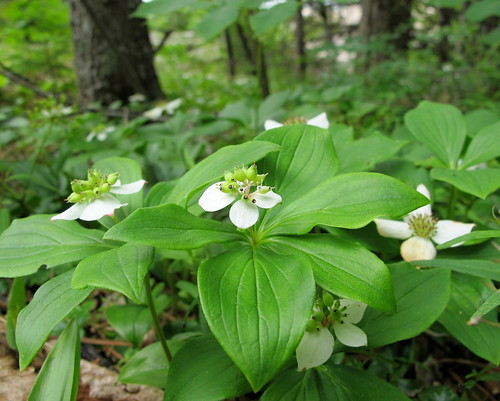
Bunchberry (Cornus canadensis) by ann j p

TheGardenLady received this question from Bronwyn.

I’m trying to find a low growing plant (20cm max height) for planting under my conifers.  The garden is extremely bare under the conifers. Do you have any advice please?

It can be tricky to grow plants under your conifer because a) you need something that likes the acidic soil the conifer grows in b) you need something that doesn’t need much sunlight and c) in your case, you are asking for something that is under 8 inches tall. Your choice will depend also on whether your soil is dry or moist under the conifer.

Here are a few suggestions:

Cornus canadensis Bunchberry is about 6 inches (15 cm) tall zones 2 to 7  See here.

Gaultheria procumbens wintergreen (15cm) zones 3 to 8  See here.

Maianthemum canadense Canada Mayflower (up to 25cm) zones 3 to 7  See here.

Mitchella repens Partridge berry (8cm) zones 4 to 9  See here.

Sunshine Farm is a great source to buy some of these plants. The owner is very knowledgeable about the plants he sells and could advise you on the best choices. Let TheGardenLady know what you chose and how it is doing. A photo would be lovely.