Caring for Aspidistras

aspidistra-elatior by invisiblecity

TheGardenLady received this question from Kathy.

I live in a very old home in Waco, Texas, with many beautiful aspidistras in various beds. This past winter was unusually cold for several nights in a row and now I have clumps of brown leaves. What is the best thing to do? Many of them are 25% brown, some over 75% brown. Help!

This has been an unusual winter across the country and no one knows what damage will happen to our plants. Many of us will lose some of our plants.

Continue reading “Caring for Aspidistras”

Photography and Gardens

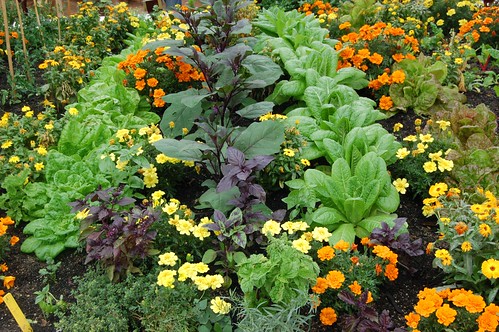
garden by Sanches90s

Photography and gardens go together like bread and butter, green eggs and ham, meatballs and spaghetti. So if you  enjoy plants and gardening, I hope you have a camera handy to take photos of your plants and gardens and the plants and gardens you visit. Since photos are to share with others, how about sending some of your best shots to TheGardenLady blog so that readers from around the world can all see your photos. We will list your name with the photos if you wish. We would love to know where the photo was taken and if it is a plant, what the plant name is.

If you want to take photos but do not know how, two blogs that give free advice are here and here.  or  Also, check out various gardens, garden shows or garden symposiums to see if they are giving some lectures or workshops on garden photography such as the one at the Atlanta Botanical Garden (see here).

Continue reading “Photography and Gardens”

When to Prune Knock Out Roses

Rose pruning time by kaysare

TheGardenLady received this question from Keith.

I live in Bartlesille. When should I prune my Knock Out Roses?

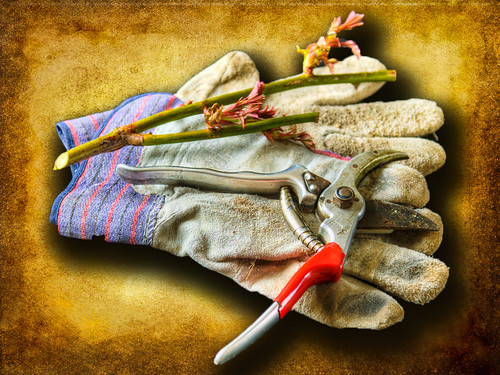
TheGardenLady has been getting a number of questions about when to prune Knock Out Roses. First of all, if any rose has Dead, Diseased, Damaged, Spindly or Weak branches, these branches can be pruned at any time of the year.

The joy of having Knock Out Roses is that they are easy maintenance roses so you almost don’t have to prune them. In fact, you should not even bother to prune them the first year and during the second year they only need light pruning to shape them.

After that if you want to prune harder to promote healthy growth and encourage lots of flowers, prune your Knockout Rose in early spring after the last hard frost in your area. A hard frost is anything below 24 degrees. To check out your Hardiness Temperature Zone go to the Arbor Day Temp. Zone map and write in your zip code to find out the temperature zone you are in.  See here.

Continue reading “When to Prune Knock Out Roses”

Some Gardening Tips for March

compost by zen

March is more the month for getting ready for gardening if you reside in the colder Hardy Temperature Zones areas such as zones 5 or 6.

You can prune all dead and broken wood on trees, shrubs and vines now or any time of the year.

This winter of our discontent the snow and ice did a lot of tree and branch damage.

Start cleaning up your gardens and lawns.

I hope you have been adding organics (garbage) to your compost bin all winter. Keep adding it.  See here.

Continue reading “Some Gardening Tips for March”

More Information About Disposing of the Giant Hogweed Plant

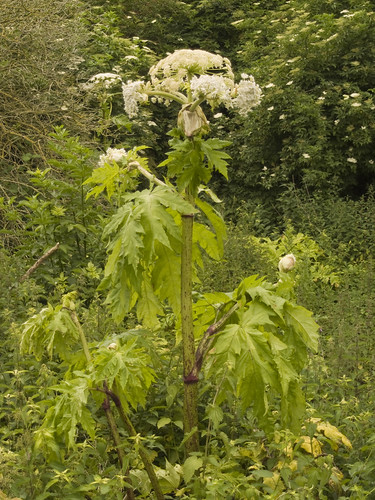
Giant Hogweed (Heracleum mantegazzianum)by neil-hoskins

TheGardenLady received a follow-up question on her post about identifying and disposing of the Giant Hogweed plant.

I am wondering, once I dig up the roots, can it be burned safely? Or if it is dug up and bagged, then what do I do with it?

If you think that you have Giant Hogweed- Apiaceae (see here)  on your property or see it growing in spots where you walk, the first thing to do is to contact your state Department of Agriculture to ask what they recommend.

This plant is a Federal Noxious Weed, which makes it illegal to bring into the United States or move it across state lines because it is considered a public health hazard; so the states are trying to eradicate it.

The sap in Giant Hogweed has the potential to cause severe skin irritation in susceptible people and can cause temporary or possibly permanent blindness if it gets in the eyes.

Continue reading “More Information About Disposing of the Giant Hogweed Plant”

Cyclamen

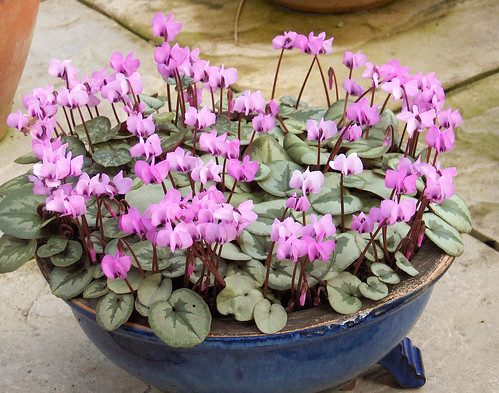
Cyclamen coum by Paul Gulliver

One of the first charming mid-winter or spring flowers that will be popping their heads up from under the snow as soon as it melts is a little hardy perennial Cyclamen.  See here. Lucky the people who have these planted in their yards to welcome spring. (There are other hardy cyclamen that bloom in the summer or in the fall.)

Most people know of the large indoor plant that one sees in florists. This is the cyclamen persicum which is not hardy in most areas that have snowy winters. But how many readers know that there is a hardy Cyclamen that will grow in the gardens from Hardiness Temp Zones 4-8 and perhaps even 9 and return year after year? When buying, be sure to check to see if the variety is for your temp zone.

Continue reading “Cyclamen”

Wayne Art Center Exhibit: Photographs of Chanticleer Garden by Rob Cardillo

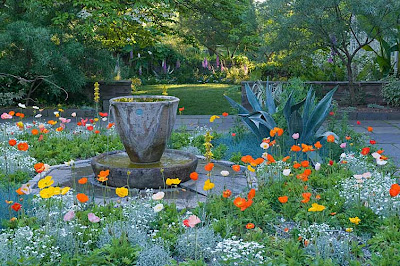
Chanticleer – a pleasure garden by Rob Cardillo

To dream of spring, TheGardenLady readers might want to attend a show with some outstanding photos of a wonderful Pennsylvania garden. This show, running until March 19th at the Wayne Art Center.

Wayne Art Center in Wayne, PA. will exhibit 42 photographs showcasing Chanticleer Garden by photographer Rob Cardillo.

Continue reading “Wayne Art Center Exhibit: Photographs of Chanticleer Garden by Rob Cardillo”

Glyphosate is a Dangerous Herbicide

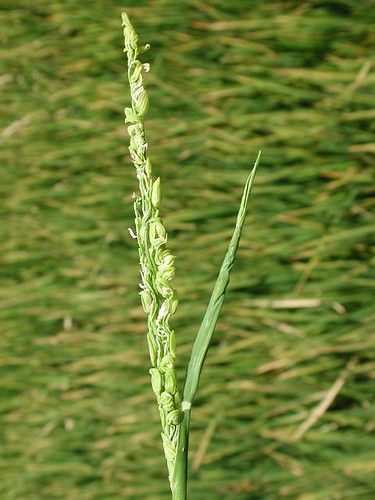
Glyphosate Injury by Arkansas Rice

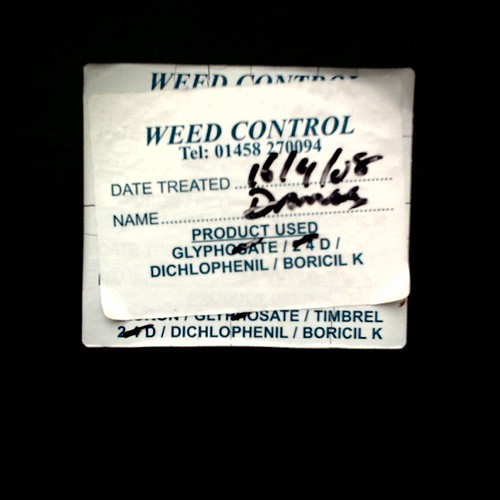
Planning your garden for the spring? Planning to use herbicides to kill weeds in your garden? If you are considering any chemical for your garden, think twice about it and think hard about the safety. If you think that any ”Pesticide is safe” that is sold in the stores, think again. More and more evidence seems to say that this is a myth.  See here.

Weed by dan mogford

They newest scientific evidence coming out is that one of the most extensively used herbicides in the history of agriculture, glyphosate, is dangerous. This “systemic herbicide can have extensive unintended effects on nutruient efficiency and disease severity, thereby threatening its agricultural sustainability.”  See here.

Continue reading “Glyphosate is a Dangerous Herbicide”

Companion Planting or Underplanting

companion planting at Heligan, Cornwall by RoseBridger

As the snow sits on the lawn, TheGardenLady is sure that her readers are dreaming of the day the bulbs start pushing up their leaves.  This is a sure sign that the flowers will soon open signaling spring. This spring I am looking forward to hyacinths and tulips and other bulbs, because last fall I planted so many more bulbs.

One of the concerns when planting bulbs is the leaves after the flowers have died. We now know that it is important to NEVER cut the leaves after flowering so that the bulb will get the nutrition needed for next year’s flowering. And we now know that we should not tie the leaves in a bundle- a method that was used to make the leaves more controlled looking after bloom time. So what should one do with the unsightly leaves until they completely die back later in the season?

Continue reading “Companion Planting or Underplanting”

Gardening Catalogs

Torture by Sun Dogs & Daylilies

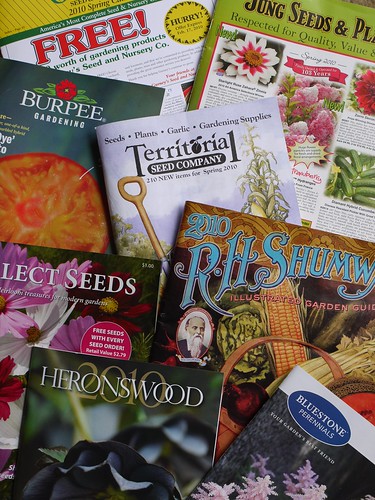
It is that time of year when garden catalogs start coming in the mail. I think gardeners have a problem; at least this gardener does. There are so many plants that I lust to own that I can’t read a seed catalog or go to a plant nursery and not find another plant that I want to add to my garden. So in spite of all the plants in my garden, I am definitely ordering more from some of the catalogs I have received. And some of the catalogs are giving half off the price of the order as an added allure.

But now the problem is where can I find space to plant.  Most flowering plants want sun. But I have a lot of trees. My dream is to get rid of as much lawn as possible and just fill the yard with flowers. But then I have deer… and rabbits…. Oh well, one has to dream and add to the garden.

If you are not receiving any catalogs, you can always go on line. But if you like to receive catalogs in your mailbox like I do, so that you can go over and over the items at leisure, there are many free catalogs that you can order and have mailed to you. Just remember to share your unwanted catalogs with friends and family when you have finished reading them.

Continue reading “Gardening Catalogs”